Why nostalgia sells to Gen Z.


Often when I show my mom clothes I’ve recently purchased, she’ll do a double take and utter something along the lines of “that looks just like something I wore in middle school!”
I laugh, but she’s right.
Fashion and pop culture have always recycled themselves, but how Gen Z approaches nostalgia is a different kind of cultural revival.
Our love for throwbacks is turning reverie and legacy into the most powerful marketing tool for reaching my generation.
We are proving that nostalgia isn’t just a mindset, it’s a marketing superpower. In a culture drowning in novelty, we are revamping the old and making it feel cool again.
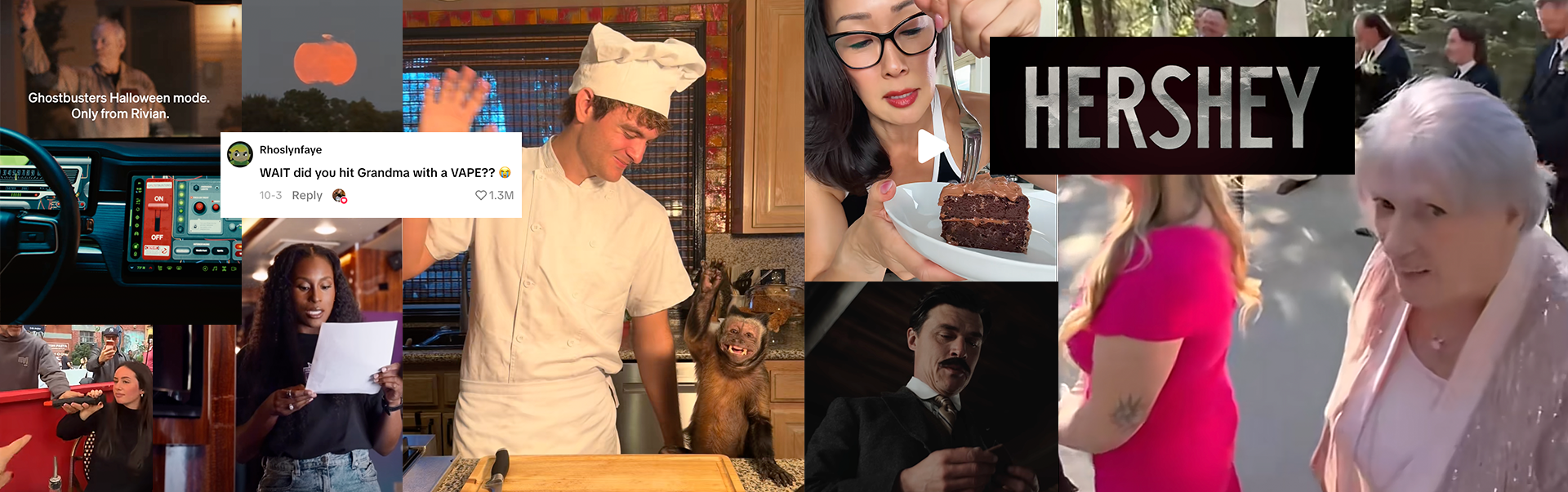
Dancing with the Stars is suddenly all over my FYP, earning its largest viewership ever. Abercrombie has shed its dated, dusty image to become a chic staple, manufacturing key pieces of my daily uniform.
Reinventing legacy through familiarity.
These rebrands aren’t accidents that we stumble upon when reminiscing on TV shows once associated with my grandparents’ DVR or searching “Y2K vibes” on Pinterest.
They're case studies on how legacy brands can reinvent themselves by leaning into comforting remembrance and aesthetic familiarity. For me and my generation, nostalgia is about curating a version of the past that feels attainable and authentic.
Blending nostalgia and contemporary culture can transform sleepy media into trending social conversation, showing how brands can stay timely by adapting to our culture and keeping their roots.
Dancing with the Stars is a perfect example of this time traveling brand strategy and how to repackage a legacy format for a new generation.

It hasn’t reinvented its glitter-ball DNA at all, the sequins, judges, and dramatic eliminations are all still intact. Recent casting choices have cracked the code for Gen Z relevance by leaning into digital celebrity.
Every episode is breaking audience voting records because they’ve brought on iconic social media names like Alix Earle and a few Mormon Wives, tapping into personalities my generation actively follows and engages with daily.
Nostalgia in fashion: Reinvention over replication.
On top of TV, clothing brands like Juicy Couture and Crocs have fought to keep relevant by adapting to our values. But it’s Abercrombie & Fitch’s transformation that is the gold standard for legacy reinvention and meeting a new generation where they are.
Gen Z demanded accountability and transparency from the iconic early 2000’s brand. What was once a symbol of exclusivity and controversy is now praised for body-positive campaigns, inclusivity, and elevated basics.
Abercrombie listened and evolved with ethics, eliminating themselves from Y2K fashion faux pas lists, and onto my favorite influencers' must haves. I can’t believe I used to wear denim that wasn’t Abercrombie.
These early-2000s staples have been re-embraced with ironic enthusiasm. The difference now is that Gen Z doesn’t just wear these items, we reinterpret them, turning familiar icons into tools for self-expression and cultural commentary.
We’re emotionally grounded in a world that’s constantly shifting. Reviving brands from our childhood, or even before our time, offers a sense of connection to something that feels familiar and culturally rich.
For my generation, these revivals don’t relive the past but reclaim it into something impactful. We’re rewriting it, creating new meaning, and setting the stage for the next wave of cultural impact.

What marketers should learn from Gen Z nostalgia.
For marketers, nostalgia should be about giving us the tools to reinvent the past in our own image. Done right, it becomes a growth engine, and the most effective way to do this is to:
- Channel the ethos of an era, not vintage logos on new products.
- Blend comfort of the past with relevance of today, leveraging nostalgia to create fresh experiences.
- Remix heritage with modern sensibilities by keeping the DNA of the original while framing it for today’s culture.
- Invite co-creation by giving us space to collaborate and interact.
Approached this way, nostalgia becomes a strategic tool to unlock cultural relevance, deepen consumer engagement, and generate momentum with the generation that’s redefining what brand loyalty looks like.

__
Turn nostalgia into your next competitive advantage. Contact our Chief Marketing & Growth Officer, Brandon Cooke, at bcooke@barkleyokrp.com to learn more.