The greatest restaurant comeback (in the making).


How Red Lobster and BarkleyOKRP turned a crisis into a cultural reset.
When Red Lobster filed for Chapter 11 in 2024, loyal fans, believing the restaurant was going out of business, started saying their goodbyes.
But the brand had other plans.
What could’ve been the end became the beginning of one of the boldest restaurant comebacks in recent memory: a story told live at ANA Masters of Marketing by Red Lobster CMO Nichole Robillard and BarkleyOKRP CEO Katy Hornaday.
Their playbook is simple but powerful: five principles any brand can learn from.
1. Take control early; transparency builds trust.
When the bankruptcy news hit, the public mourned loudly.
Even though only a fraction of restaurants had closed, many believed Red Lobster was gone for good. Instead of hiding behind a press release, the brand took the mic.
CEO Damola Adamolekun showed up, on national news, in interviews, and across social platforms, speaking with candor and confidence about what was really happening. He didn’t sugarcoat the challenge ahead.
By owning the narrative early and showing authentically on national platforms, Red Lobster reclaimed trust and credibility before a single ad ran.
The lesson: Own the narrative before it owns you.
2. Deliver what you promise.
The real transformation began behind the scenes. Together with operations, the marketing team reignited pride and purpose among team members.
The “Red Carpet Hospitality” initiative, built on “Recognize, Engage, Delight,” gave employees permission to bring joy back to the table.
From better music and lighting to small moments of recognition, every touchpoint said: “We’re back, and we care.”
Before guests fall in love with the brand again, employees have to first.
The lesson: Marketing is also spelled o-p-e-r-a-t-i-o-n-s.
3. Empower your loyal fans to co-create.
Red Lobster didn’t claw its way back with old tactics from the traditional advertising playbook, instead, it did it by letting fans lead the story.
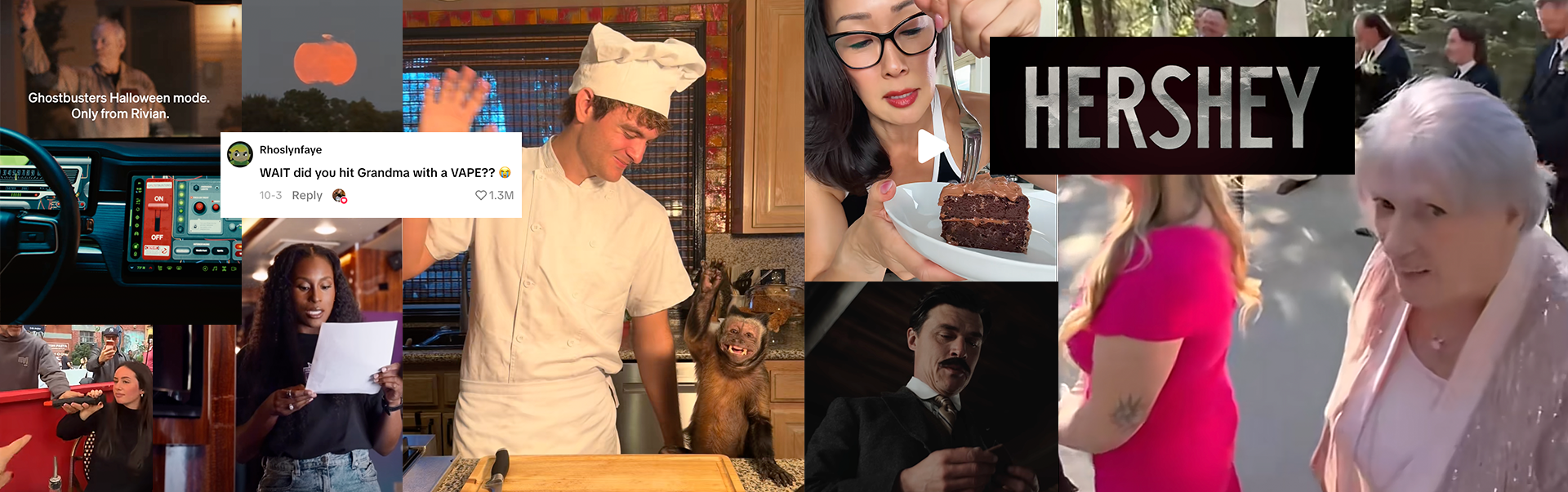
When a surprise celebrity moment made the brand go viral, Red Lobster leaned in with humor, humility, and heart.
Instead of orchestrating a polished campaign, it embraced the chaos of culture, inviting fans to join the fun.
That participation cracked open a new creative muscle: collaboration. Partnerships with artists, athletes, and influencers across music, sports, and entertainment followed.
The lesson: Put the brand in your customers’ hands.
4. Respond visibly to feedback; make your audience feel heard.
When Red Lobster launched new Seafood Boils, guests spoke up about wanting more flavor and heat.
Red Lobster didn’t take six months to “evaluate the insight.” The team acted.
The “Real Talk. Real Change.” platform turned fan feedback into fast action.
Within days, Red Lobster launched new Seafood Boils; a direct response to what fans were asking for. When the menu leaked early and went viral, the brand didn’t panic. It participated, amplifying the excitement and joining the conversation authentically.
Menus were reprinted locally. Marketing responded in real time. Fans became co-authors of the comeback story.
The lesson: Listen loudly.
5. Guard your core (like Cheddar Bay Biscuits) but evolve everywhere else.
Even as Red Lobster reinvented itself, it never lost sight of what made people love it in the first place.
Cheddar Bay Biscuits.
High-quality seafood.
The warmth of genuine hospitality.
Those sacred brand truths stayed untouched.
But everything else was fair game. The menu evolved. The experience modernized. The tone shifted from corporate to conversational. Red Lobster became more human, more self-aware, more fun.
By holding tight to its heritage while shedding the outdated parts, the brand found the balance between legacy and now.
Every brand has its non-negotiables that define its soul. What are your brand treasures?
The Lesson: Protect what’s precious, pivot when needed.
The modern comeback
Red Lobster’s comeback is a work in progress.
A brand recognizing areas of growth, putting in the work, and finding its voice again.
What’s most inspiring isn’t the scale of the turnaround; it’s the honesty of it.
The courage to say we have changes to make, and the discipline to earn back trust one plate, one post, one guest at a time.
Every brand will experience some level of adversity.
What matters is how you respond.
__
Ready to write your own comeback story? Contact our Chief Marketing & Growth Officer, Brandon Cooke, at bcooke@barkleyokrp.com to learn more.